

Common Pickleball Injuries and How Physical Therapy Can Help You Get Back on the Court
Learn about the most common pickleball injuries, how to prevent them, and how physical therapy can help you recover faster and return to the court safely.

 Destacado
Learn about the most common pickleball injuries, how to prevent them, and how physical therapy can help you recover faster and return to the court safely.

Waking up with hip pain? Learn the most common causes of hip pain at night, tips to relieve discomfort, and how physical therapy can help you sleep better.
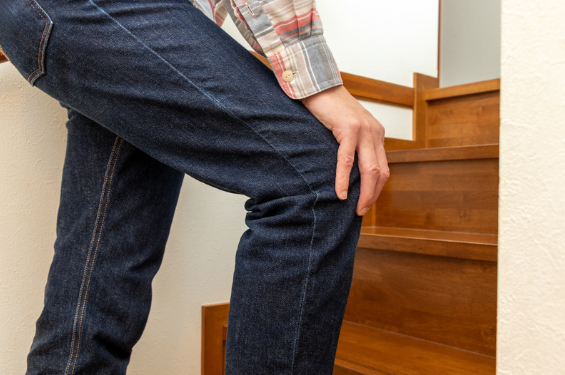
Learn why your knee hurts going down stairs, common causes, treatment options, and when physical therapy can help relieve pain without surgery.

Spending hours looking at your phone or computer can place significant stress on your neck and shoulders. Learn the signs of text neck, simple ways to improve your posture, and how physical therapy can help relieve pain and prevent future problems.
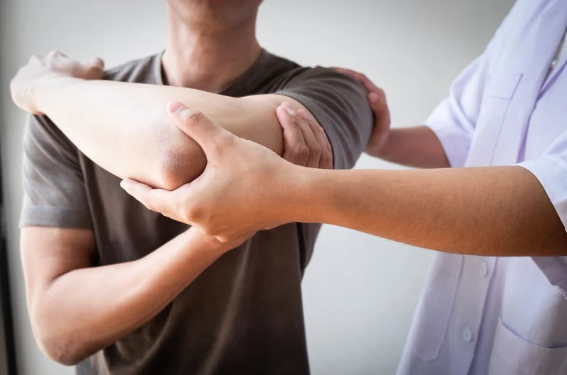
Does your shoulder hurt when reaching overhead or lifting your arm? Learn the most common causes of shoulder pain, when to seek treatment, and how physical therapy can help you regain strength, mobility, and pain-free movement.

Do you wake up with a stiff or aching lower back? Discover the most common causes of morning back pain, when it's time to seek treatment, and how physical therapy can help you start your day feeling better.

If you're experiencing sharp pain that starts in your lower back and shoots down your leg, you're not alone. Sciatica affects millions of people each year and can make everyday activities like walking, sitting, or even sleeping uncomfortable.
Nuestros fisioterapeutas expertos están listos para ayudarle a alcanzar sus objetivos de recuperación en ubicaciones en todo Maryland.
Aceptamos todos los seguros principales. Si su plan de seguro requiere que pague un copago, coaseguro y/o un deducible, deberá pagar en el momento de su visita.
Para su conveniencia aceptamos efectivo, cheques, Visa, MasterCard, Discover y American Express. Si tiene alguna pregunta relacionada con su factura o seguro, comuníquese con nuestros especialistas en facturación al (866) 446-9056.



 Hi! I'm Benny the Bruiser, the toughest little teddy you've ever seen.
Ask about therapy, locations, insurance
Enter your info, and our team will contact you shortly.