
Why Your Squat Might Be Causing Pain
One of the most common mistakes we see in the clinic is overloading the quads and not using the posterior chain enough.
That means:
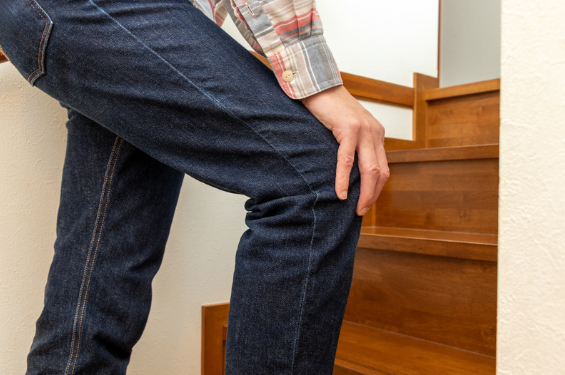
Too much stress on the knees (especially the patellar tendon)
Not enough engagement from the glutes and hamstrings
Increased risk of injury
The goal?
👉 Balance the load and move more efficiently
The #1 Cue for a Better Squat
Instead of thinking “bend your knees”…
👉 Think: “Sit back into a chair.”
This simple shift helps:
Activate your glutes and hamstrings
Reduce stress on your knees
Improve overall squat mechanics
Key Squat Form Tips
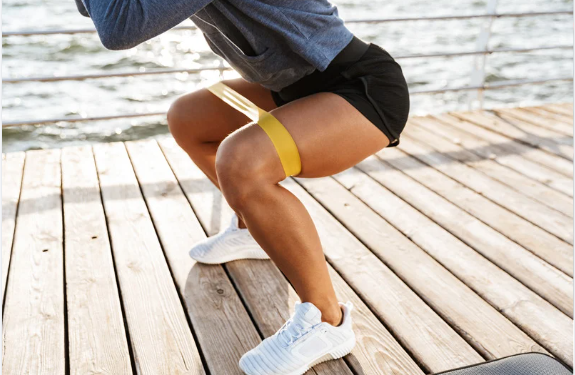
To perform a proper squat safely, focus on these fundamentals:
Keep your feet shoulder-width apart
Maintain a slight forward lean (not upright like a wall)
Keep your core tight and engaged
Avoid letting your knees shoot too far forward
Push through your heels, not your toes
💡 Done right, you should feel it in your glutes—not just your knees.
Step-by-Step Squat Progression
Not feeling confident yet? No problem. Build your squat the right way with these progressions:
1. Wall Squats (Beginner-Friendly)
Start here if you’re new or rehabbing pain.
How to do it:
Stand with your back against a wall
Walk your feet slightly forward
Slide down until your hips reach about 90°
Return to standing
👉 Focus on control and staying pain-free.
2. Chair Squats (Build Control & Confidence)
Perfect for learning proper depth and movement.
How to do it:
Place a chair behind you
Sit back until you lightly touch the chair
Stand back up without collapsing
👉 This reinforces that “sit back” movement pattern.
3. Standard Squat (Full Movement)
Once you’ve mastered control, move here.
How to do it:
Feet shoulder-width apart
Slight forward lean
Sit back and down
Keep knees tracking—not shooting forward
👉 Think: controlled, strong, and balanced.
When to See a Physical Therapist
If you’re still experiencing:
Knee pain during squats
Lower back discomfort
Limited mobility or stiffness
…it’s time to get a professional eye on your movement.
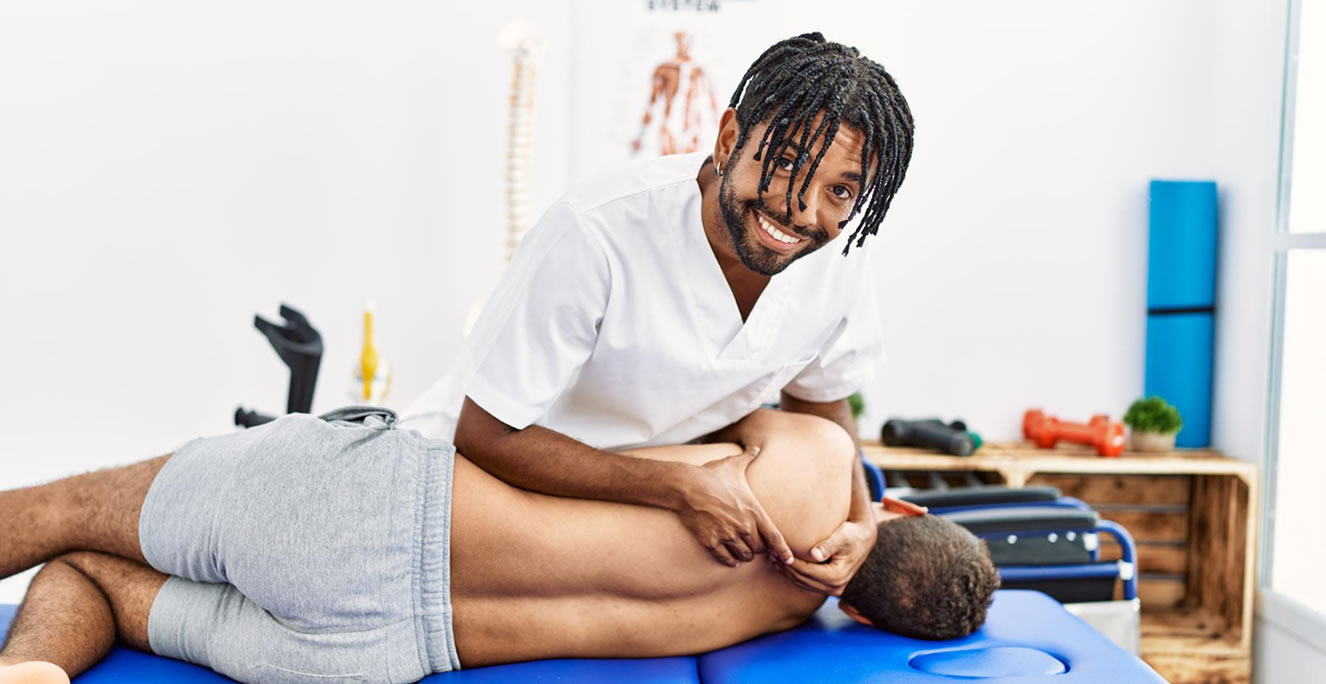
A physical therapist can:
Break down your squat mechanics
Identify mobility or strength limitations
Build a personalized plan to fix it
Train Smarter, Not Harder
The “perfect squat” isn’t about going heavier—it’s about moving better.
At Physical Therapy & Sports Medicine Center, we help athletes and active adults across Maryland improve performance, prevent injury, and move pain-free.
👉 Book your movement assessment today:
🌐 Visit: startptnow.com
📞 Call: 866.446.9056
Let’s get your squat feeling as good as it looks.
How to Fix Your Squat Form (Without Knee or Back Pain)