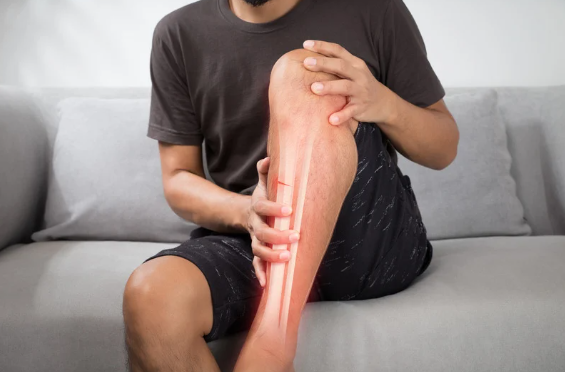


This common overuse injury can sideline athletes, runners, and active individuals if not properly managed. The key isn’t just resting—it’s understanding the root cause and correcting it. That’s where physical therapy for shin splints becomes essential.
At Physical Therapy & Sports Medicine Center, we help patients identify why their pain started, recover efficiently, and safely return to activity without setbacks.
What Are Shin Splints (Medial Tibial Stress Syndrome)?
Shin splints are characterized by pain along the inner edge of the tibia (shin bone), typically caused by repetitive stress from high-impact activities like:
Running
Jumping
Sports involving quick direction changes
Without proper treatment, MTSS can progress into more serious conditions such as tibial stress fractures.
Who Is Most at Risk for Shin Splints?
While anyone can develop shin splints, certain factors increase your risk:
Sudden increases in training intensity or volume
Poor running or movement mechanics
Flat feet or improper footwear
Muscle imbalances or tightness
Higher-impact activity without adequate recovery
Certain populations—such as runners, military personnel, and athletes—experience MTSS more frequently due to repetitive loading.
Why Treating the Root Cause Matters
Many people try to push through shin pain or rely on rest alone. While symptoms may temporarily improve, the underlying issue often remains.
Without addressing:
Movement mechanics
Strength deficits
Training errors
…the pain is likely to return once activity resumes.
How Physical Therapy Treats Shin Splints
Physical therapy focuses on both pain relief and long-term prevention, ensuring a full recovery rather than a temporary fix.
Movement and Biomechanics Assessment
Your physical therapist will evaluate how your body moves during activity—especially walking or running.
This includes:
Foot and ankle alignment
Stride mechanics
Load distribution
Correcting these patterns reduces stress on the shin.
Strength and Flexibility Training
Imbalances in the lower body often contribute to MTSS.
Treatment may include:
Strengthening the calves, hips, and lower leg muscles
Improving flexibility in tight muscle groups
Enhancing overall lower-body stability
Footwear and Orthotic Guidance
Wearing the wrong shoes—or worn-out ones—can increase your risk of shin splints.
Your therapist may recommend:
Proper footwear based on your foot type
Orthotics for additional support
Adjustments based on your activity level
Training Modifications and Load Management
One of the most important parts of recovery is adjusting how you train.
This includes:
Modifying intensity, frequency, and volume
Incorporating rest and recovery days
Gradually progressing back to full activity
Returning to Sport Safely
Once your pain improves, the focus shifts to a structured return-to-sport plan.
At Physical Therapy & Sports Medicine Center, we often:
Build gradual progression programs
Coordinate with coaches or trainers when needed
Ensure your body can tolerate increasing demand
Jumping back into activity too quickly is one of the biggest reasons shin splints return—guided progression is key.
When Should You Seek Treatment?
Don’t ignore shin pain. Early treatment can prevent more serious injury.
Consider physical therapy if you:
Feel persistent shin pain during or after activity
Notice tenderness along the inner shin
Experience recurring symptoms when returning to exercise
Get Back to Training—Stronger and Smarter
Shin splints don’t have to keep you on the sidelines. With the right approach, you can recover fully and return to activity with better mechanics and lower risk of re-injury.
At Physical Therapy & Sports Medicine Center, we specialize in sports injury rehab, running mechanics, and performance-based recovery across all of our Maryland locations.
👉 Book Online: www.startptnow.com
📞 Call: 866.446.9056
Shin Splints Treatment: How Physical Therapy Helps You Recover and Prevent Re-Injury