

At Physical Therapy & Sports Medicine Center, our physical therapists help patients throughout Maryland recover from tendon injuries with evidence-based treatment plans designed to reduce pain, restore strength, and safely return patients to activity.
What Is Tendinopathy?
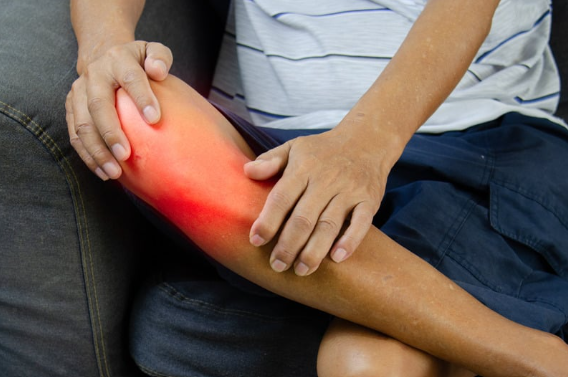
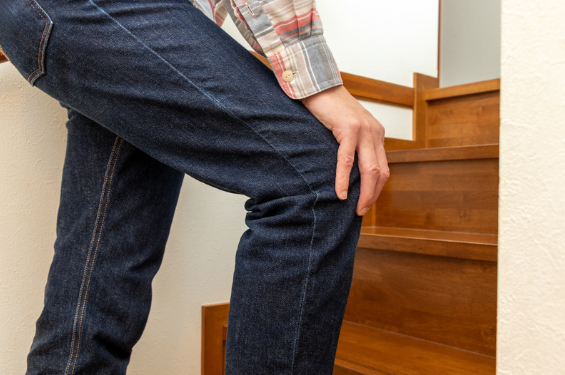
Tendinopathy is a condition that affects the tendons — the thick connective tissues that attach muscles to bones. It often develops from repetitive stress, overuse, poor movement mechanics, or sudden increases in activity.
Common symptoms of tendinopathy include:
Pain during movement or exercise
Tenderness around the tendon
Morning stiffness
Weakness or reduced performance
Pain that worsens with overuse
Common areas affected include:
Achilles tendon
Patellar tendon (jumper’s knee)
Rotator cuff tendons
Elbow tendons (tennis elbow/golfer’s elbow)
Hamstring tendons
Best Treatment Approaches for Tendon Pain
New research continues to shape how physical therapists treat tendon pain. According to leading tendon researcher Jill Cook from La Trobe University, there are several important principles to consider when treating tendinopathy.
1. Complete Rest Is Usually Not Necessary
While temporarily reducing painful activities may help calm irritation, complete rest is often not recommended. Controlled movement and guided exercise help prevent muscle weakness, stiffness, and tissue changes.
A licensed physical therapist can help determine the right activity level during recovery.
2. Exercise Selection Matters
Not all exercises are beneficial for tendon healing. The right strengthening program can improve tendon capacity and reduce pain, while the wrong exercises may worsen symptoms.
Physical therapy programs for tendinopathy often include:
Progressive strengthening
Load management
Eccentric exercises
Mobility training
Sport-specific rehabilitation
3. Passive Treatments Alone Will Not Fix the Problem
Treatments such as ice, heat, electrical stimulation (TENS), or massage may temporarily reduce pain, but they do not address the underlying tendon dysfunction by themselves.
Long-term recovery typically requires an active rehabilitation program.
4. Tendon Injections Should Be Considered Carefully
Research shows mixed results regarding injections for tendon pain. In many cases, injections may provide temporary relief but do not resolve the root cause of the issue.
Conservative care with physical therapy is often recommended before considering more invasive options.
5. Increased Pain During Activity May Signal Tendon Overload
Pain that increases significantly during or after activity may indicate the tendon is being overloaded. Adjusting exercise intensity and activity levels is often necessary during recovery.
Physical therapists help patients safely progress activity while protecting healing tissues.
6. Stretching Is Not Always Helpful
Many people assume stretching is beneficial for every injury, but excessive tendon stretching may sometimes worsen symptoms. Research suggests compression and excessive tensile loading can irritate unhealthy tendons.
Treatment plans should be individualized based on the specific tendon and condition.
7. Friction Massage Alone Does Not Promote Tendon Healing
While soft tissue work may help temporarily reduce discomfort, friction massage alone is not considered a primary treatment for tendinopathy.
Active strengthening and load management remain the foundation of care.
8. Imaging Is Not Always Necessary
MRIs and ultrasounds can show tendon abnormalities, but imaging findings do not always correlate with pain levels or recovery outcomes.
A thorough physical therapy evaluation is often more valuable in guiding treatment.
9. Pain Does Not Automatically Mean Tendon Rupture
Pain is often a protective signal from the body. Interestingly, many tendon ruptures occur in people who previously experienced little or no pain.
Proper rehabilitation can help improve tendon health and reduce injury risk.
10. Tendon Rehabilitation Takes Time
Tendon healing is typically gradual. Most patients improve significantly within approximately 3 months when following a structured rehabilitation program consistently.
Patience and consistency are critical for long-term recovery.
How Physical Therapy Helps Treat Tendinopathy
At Physical Therapy & Sports Medicine Center, our team develops personalized treatment plans to help patients recover safely and effectively from tendon injuries.
Treatment may include:
Customized strengthening programs
Manual therapy
Movement analysis
Activity modification education
Return-to-sport training
Injury prevention strategies
Our goal is to reduce pain, restore mobility, and help patients return to the activities they enjoy.
Start Your Recovery Today
If you are experiencing persistent tendon pain or symptoms of tendinopathy, early treatment can help prevent the condition from worsening.
Schedule an appointment today with Physical Therapy & Sports Medicine Center to learn how physical therapy can help you recover and get back to doing what you love.
Book Online: startPTnow.com
Call: 866.446.9056
Treating Tendon Pain and Tendinopathy: How Physical Therapy Can Help