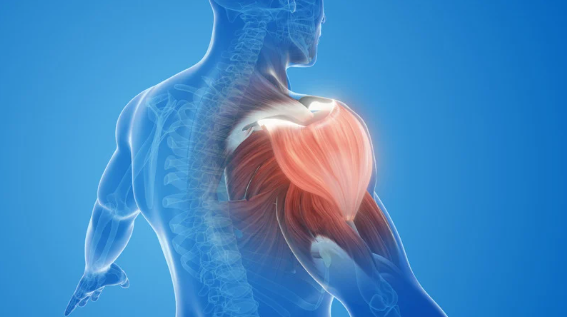


Muscle strains are one of the most common injuries we see in active individuals. While they may feel straightforward (“I pulled a muscle”), what’s happening inside your body is actually quite complex.
Below, we break muscle strains down into five key physiological processes and explain how physical therapy supports safe, long-term healing.
1. Muscle strains most commonly occur at the muscle-tendon junction
A muscle strain happens when muscle fibers are stretched beyond their normal capacity. Most tears occur at the muscle-tendon junction, the point where muscle fibers transition into tendon and attach to bone.
This area is particularly vulnerable because:
It experiences the highest concentration of force
It must transfer energy from soft, elastic muscle to firm, rigid bone
Sudden acceleration, deceleration, or overload places extreme stress on this junction
This is why sprinting, jumping, or lifting too quickly often leads to muscle strains.
2. Tendons concentrate force at the injury site
The tendon acts as the common thread connecting all muscle fibers to the bone. When a muscle contracts, all that force funnels through the tendon.
After a strain:
The injured fibers can no longer distribute force evenly
Stress becomes concentrated at the damaged area
Surrounding fibers must compensate, increasing injury risk
Without proper rehabilitation, this uneven force transmission can delay healing or lead to reinjury.
3. Inflammation causes muscle fiber damage
Inflammation is a natural and necessary part of healing—but when uncontrolled, it can contribute to further tissue breakdown.
During this phase:
Swelling and chemical signals weaken muscle fibers
The muscle’s ability to contract efficiently is reduced
Force transmission between fibers gets impaired
Muscle elasticity decreases, making movement feel stiff or painful
This explains why muscles often feel weak and tight even days after the initial injury.
4. Scar tissue forms at the site of the tear
As the body repairs damaged muscle fibers, scar tissue develops. While scar tissue is strong, it lacks the elastic properties of healthy muscle.
Scar tissue:
Is less flexible and less efficient at lengthening and contracting
Alters normal movement patterns
Creates stiffness and uneven force distribution
Without guided rehabilitation, scar tissue can limit mobility and performance long after pain subsides.
5. Scar tissue increases the risk of re-tearing
One of the biggest risks after a muscle strain is reinjury, especially during eccentric contraction—when the muscle is lengthening while under tension (like lowering a weight or decelerating your leg during running).
Because scar tissue is less elastic:
Healthy muscle fibers absorb more load
Stress increases at the edges of the scar
The risk of re-tearing rises significantly
This is why returning to activity too quickly is one of the most common causes of repeat muscle strains.
How Physical Therapy Helps Muscle Strains
Physical therapy doesn’t just focus on pain relief—it addresses the entire healing process.
A licensed physical therapist can:
Restore joint mobility around the injured muscle
Improve strength in surrounding muscles to reduce overload
Guide safe, progressive loading of the injured tissue
Improve flexibility and elasticity of healing muscle fibers
Reduce excessive scar tissue buildup
Retrain movement patterns to prevent reinjury
Most importantly, physical therapy helps ensure the muscle heals strong, resilient, and ready for real-world demands—not just symptom-free.
Get Expert Care in Maryland
At Physical Therapy & Sports Medicine Center, our experienced team specializes in treating shoulder injuries and restoring optimal movement. Whether you're an athlete, a weekend warrior, or someone dealing with daily discomfort, we’re here to help.
Anatomy & Physiology of a Muscle Strain