

At Physical Therapy & Sports Medicine Center, we help patients throughout Maryland regain shoulder mobility, reduce pain, and return to normal function with personalized rehabilitation programs.
Understanding Frozen Shoulder: What’s Happening in Your Joint?
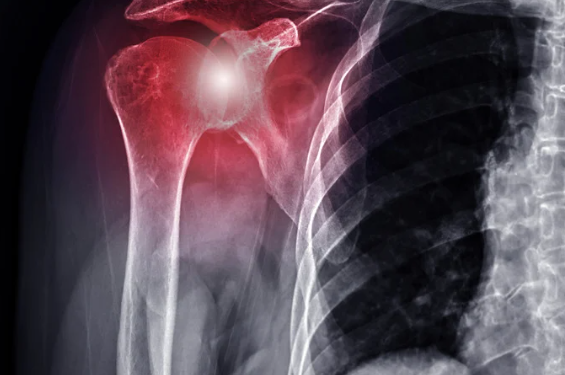
Frozen shoulder develops when the connective tissue around the shoulder joint becomes thickened and tight, restricting movement.
This condition typically progresses through three stages:
Freezing Stage: Increasing pain and gradual loss of motion
Frozen Stage: Less pain, but significant stiffness and limited mobility
Thawing Stage: Gradual return of movement
While symptoms can last months—or even longer—targeted physical therapy can help speed up recovery and improve outcomes at every stage.
What Does Physical Therapy for Frozen Shoulder Involve?
Rather than relying on a single treatment method, physical therapy uses a combination of techniques to restore function and reduce stiffness.
Restoring Mobility Through Guided Movement
Regaining motion is the first priority. Your physical therapist will guide you through controlled, progressive movements designed to:
Reduce stiffness in the joint
Improve flexibility of surrounding tissues
Gradually increase range of motion
These exercises are carefully progressed to avoid irritation while encouraging steady improvement.
Building Strength to Support the Shoulder
As mobility improves, strengthening becomes essential.
Treatment focuses on:
Rotator cuff muscles
Shoulder blade stabilizers
Supporting upper back muscles
Improving strength helps restore proper mechanics and reduces strain on the joint during daily activities.
Hands-On Techniques to Improve Joint Function
Manual therapy is often used to address tightness and restrictions within the shoulder.
This may include:
Joint mobilizations
Soft tissue work
Assisted stretching
These techniques help improve movement quality and reduce discomfort more efficiently.
A Customized Plan You Can Continue at Home
Consistency is one of the most important factors in recovering from frozen shoulder.
Your physical therapist will provide:
A structured home exercise program
Guidance on activity modification
Education on managing symptoms day-to-day
This ensures progress continues between visits and supports long-term results.
How Long Does Frozen Shoulder Recovery Take?
Recovery timelines vary depending on the stage and severity of the condition. With consistent physical therapy, many patients experience:
Gradual reduction in pain
Improved shoulder mobility
Increased ability to perform daily tasks
Early intervention often leads to faster and more complete recovery.
When Should You Start Physical Therapy?
If you’re noticing:
Difficulty reaching overhead or behind your back
Persistent shoulder stiffness
Pain that limits movement
…it’s a good time to seek evaluation. Starting treatment early can help prevent further restriction and speed up the healing process.
Take the First Step Toward Moving Freely Again
Frozen shoulder can feel limiting—but it doesn’t have to be permanent. With the right guidance and a personalized treatment plan, you can restore movement and get back to your normal routine.
At Physical Therapy & Sports Medicine Center, we specialize in shoulder pain treatment, mobility restoration, and orthopedic rehabilitation across all of our Maryland locations.
👉 Book Online: www.startptnow.com
📞 Call: 866.446.9056
Frozen Shoulder Treatment: How Physical Therapy Restores Mobility and Reduces Pain