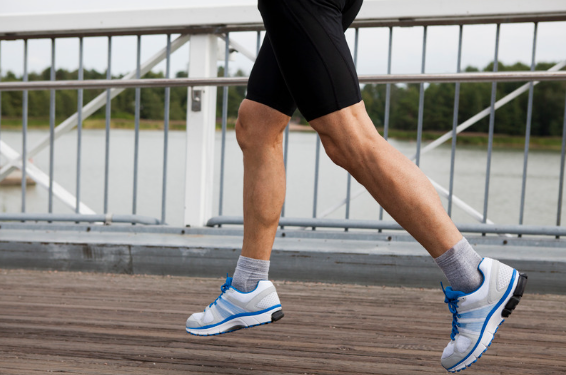

Running is one of the most popular forms of exercise, but improper running mechanics can increase stress on the body and contribute to injury. One of the most common running form issues seen in runners is overstriding — taking steps that are too long while running.
Research suggests that modifying running cadence and stride length may help reduce stress on the hips and knees, potentially lowering the risk of common running injuries.
At Physical Therapy & Sports Medicine Center, our physical therapists help runners throughout Maryland improve running mechanics, reduce pain, and safely return to training through personalized running assessments and rehabilitation programs.
What Is Overstriding in Running?
Overstriding occurs when a runner lands with their foot too far in front of their body during each step. Many runners mistakenly believe that taking longer strides will help them move faster or cover more ground efficiently.
However, excessive stride length can increase impact forces on the:
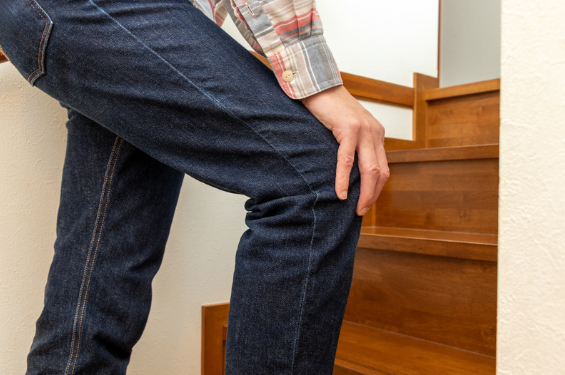
Knees
Hips
Ankles
Lower back
Over time, this additional stress may contribute to overuse injuries and inefficient running mechanics.
How Running Cadence Affects Injury Risk
Running cadence refers to the number of steps you take per minute while running. Research has shown that slightly increasing step rate may help reduce joint loading and improve running efficiency.
According to research from University of Wisconsin–Madison, subtle increases in cadence may significantly reduce stress placed on the hip and knee joints during running.
This may help with both:
Injury prevention
Management of running-related pain
Common Injuries Linked to Overstriding
Improper stride mechanics and low cadence may contribute to several common running injuries, including:
Runner’s knee (patellofemoral pain syndrome)
IT band syndrome
Shin splints
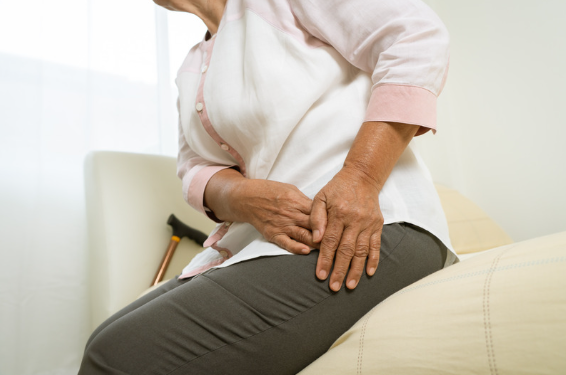
Hip pain
Achilles tendon pain
Stress-related injuries
Improving running mechanics may help reduce repetitive stress on these areas.
What Is the Ideal Running Cadence?
While every runner is different, many studies suggest that a running cadence between 160–180 steps per minute may help improve efficiency and reduce injury risk.
A higher cadence often naturally encourages:
Shorter stride length
Softer foot landing
Reduced braking forces
Improved running posture
Small adjustments are often more effective than making dramatic changes all at once.
How to Measure Your Running Cadence
You can calculate your running cadence manually or with wearable technology.
Manual Method
Count how many times your left foot hits the ground in one minute.
Multiply that number by two.
Example:
Left foot hits = 85
Total cadence = 170 steps per minute
Devices That Track Running Cadence
Many fitness devices can automatically track cadence, including:
Apple Watch
Garmin running watches
Fitness tracking apps
Running-specific GPS devices
Can Changing Your Stride Help Existing Pain?
Adjusting running cadence is not a guaranteed fix for current pain or injury, but evaluating your running form may help reduce excessive stress on the body and lower the risk of future injuries.
A physical therapist can assess your:
Running mechanics
Hip strength
Mobility
Balance
Foot strike pattern
Training habits
From there, they can develop a personalized treatment and running retraining program tailored to your goals.
Physical Therapy for Running Injuries
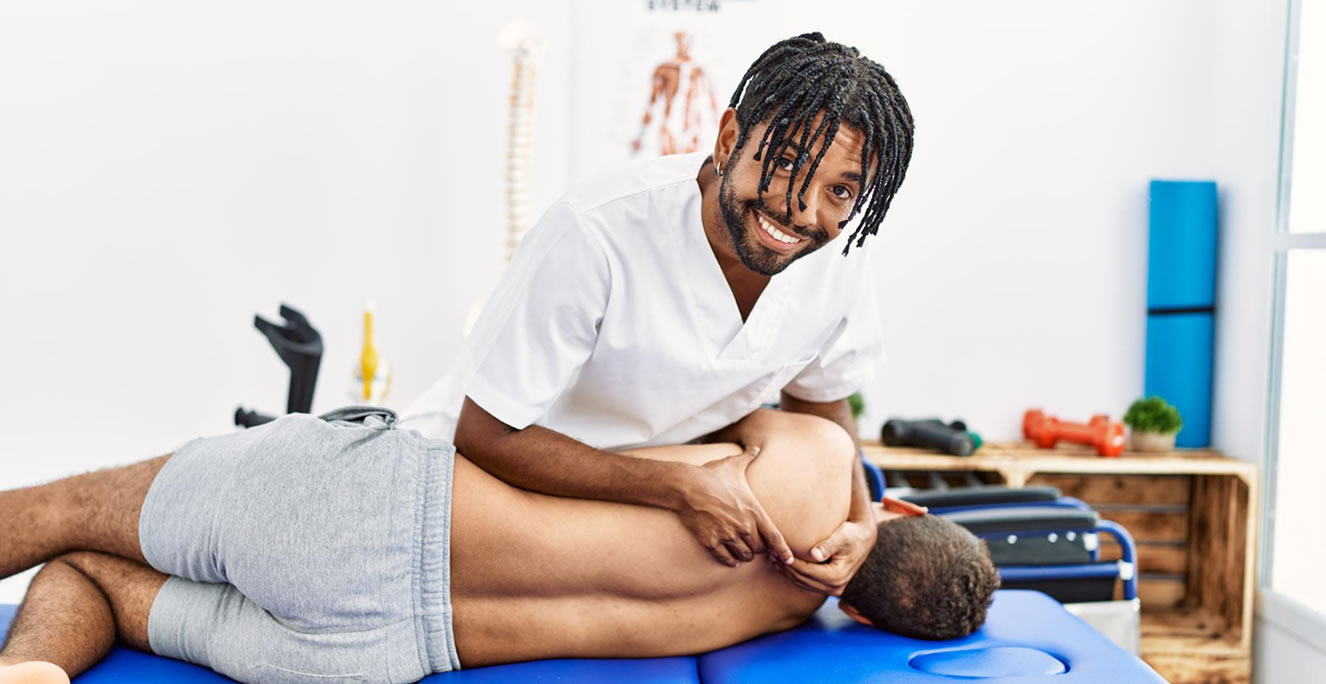
At Physical Therapy & Sports Medicine Center, we help runners recover from injuries and improve performance through evidence-based rehabilitation and movement analysis.
Treatment may include:
Running gait analysis
Cadence retraining
Strengthening exercises
Mobility work
Hip and core stabilization
Return-to-running programs
Injury prevention education
Our goal is to help runners move more efficiently and stay active with less pain.
Schedule a Running Evaluation Today
If you are dealing with running-related pain or want to improve your running mechanics, physical therapy may help identify movement patterns contributing to injury risk.
Contact Physical Therapy & Sports Medicine Center today to schedule an evaluation and learn how physical therapy can help you run stronger, safer, and with greater confidence.
Book Online: startPTnow.com
Call: 866.446.9056
Is Your Running Stride Causing Injuries?